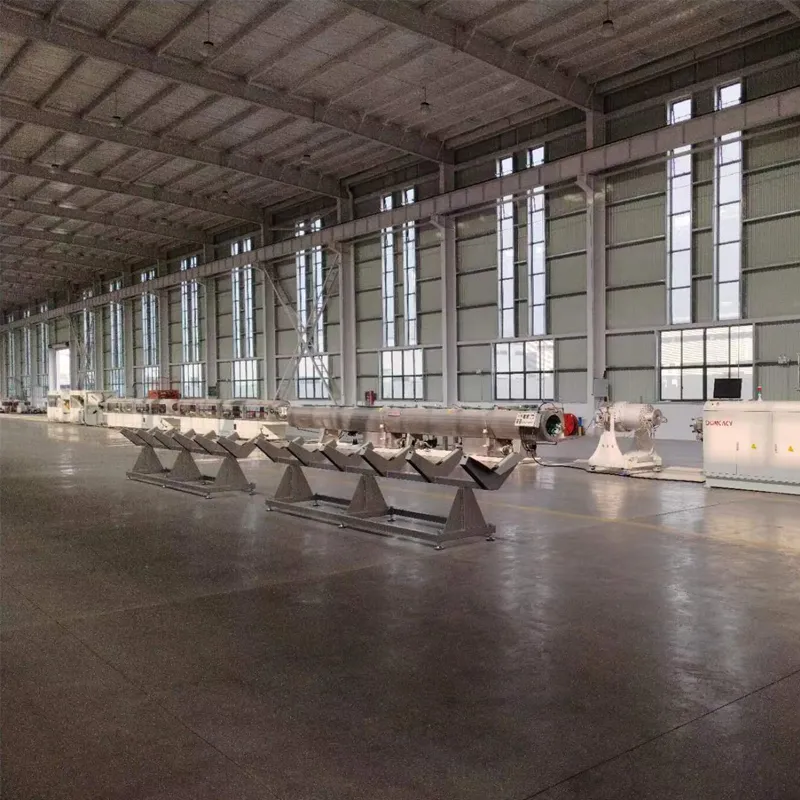
Hdpe High Speed And High Efficiency Extrusion Production Line
HDPE pipes produced by the HDPE pipe production line are used in irrigation, drainage, the chemical industry, sand pumping, pipe jacking, and municipal drainage, agriculture, building sewage, petroleum, and pharmacy applications. The production line offers a high degree of automation for stable, reliable manufacturing.
Core Introduction
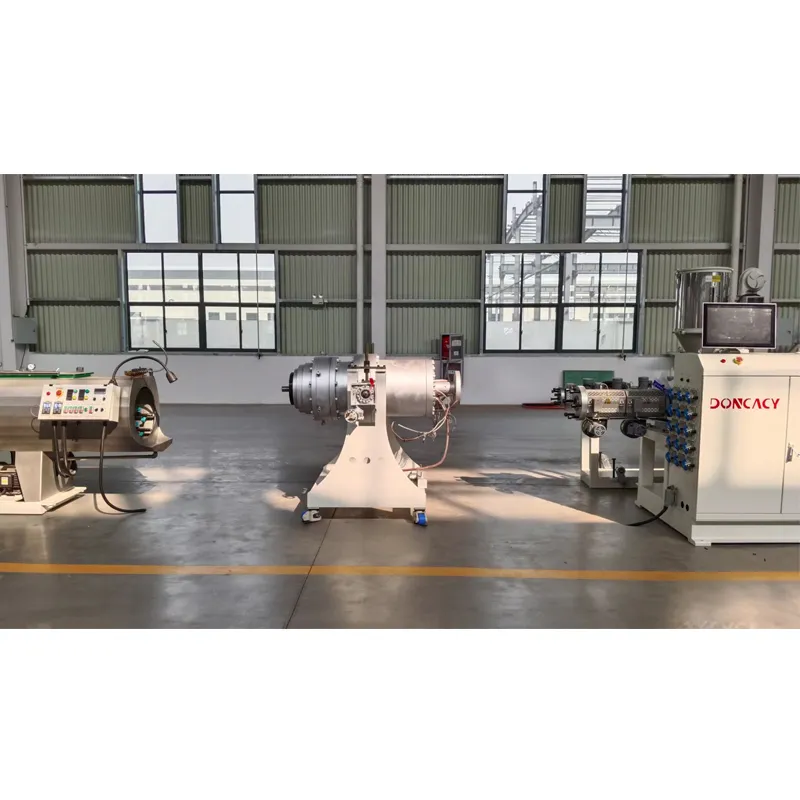
Introduction:
The HDPE pipe production line is a high-speed production system newly developed by our company using internationally advanced technology. It is suitable for high-speed extrusion of HDPE, PP and other polyethylene pipes. Compared with conventional production lines, it delivers an energy-saving effect of approximately 35% and increases production efficiency by more than double. This not only reduces site and labour costs, but also improves overall production efficiency. The line features an attractive design, a high degree of automation, and stable, reliable operation.
Highlights:
Highlight 1: Double spiral design for high efficiency and large output.
Highlight 2: The sizing sleeve features an advanced design that helps maintain stable diameter and roundness for thick-wall pipes during high-speed production.
Highlight 3: Equipped with an internal cooling device to reduce sagging while improving efficiency and energy performance.
Highlight 4: Tractors can be controlled accurately.
Highlight 5: Adopts advanced chip-free precision cutting.
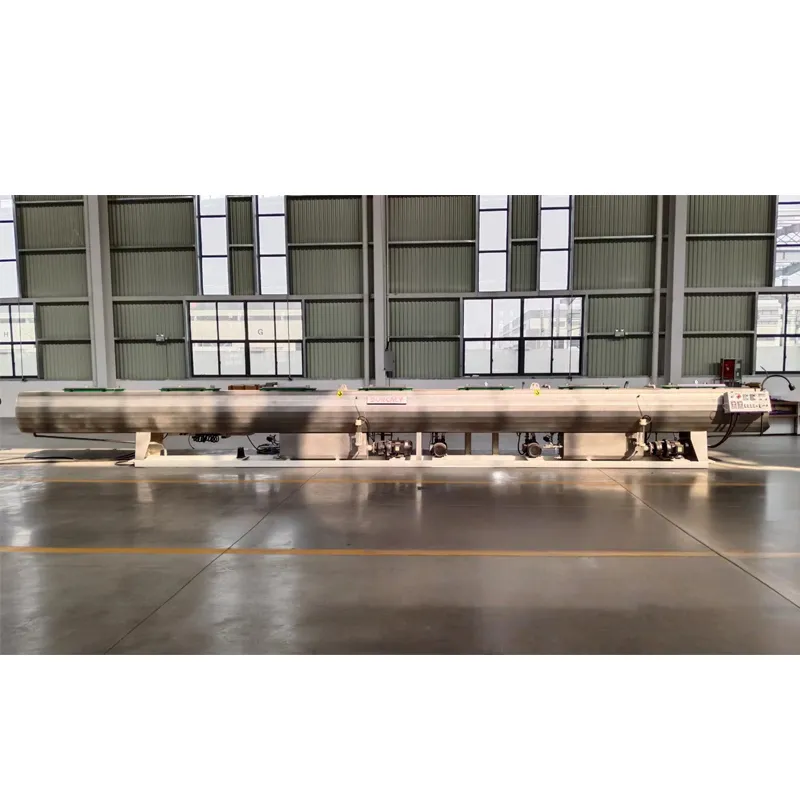
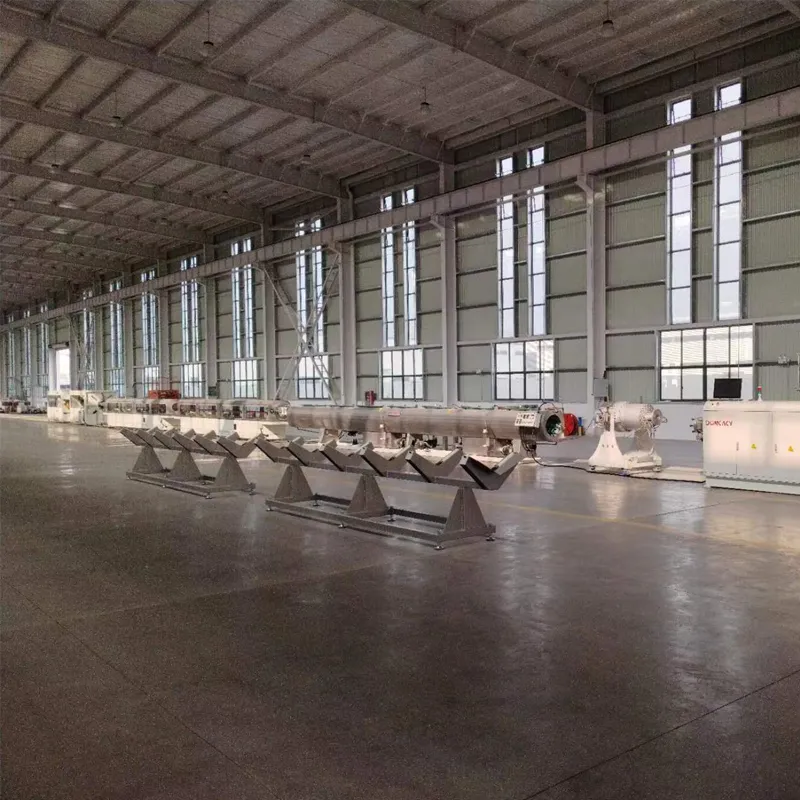
Superiority:
1. Centralized control and coordination enable fully automated production.
2. Compared with traditional production lines, energy savings can reach 35%.
3. Low operational noise ensures minimal impact on the production environment.
Science note
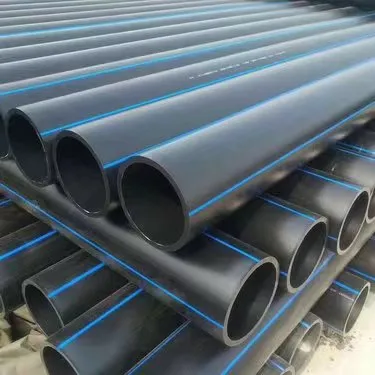
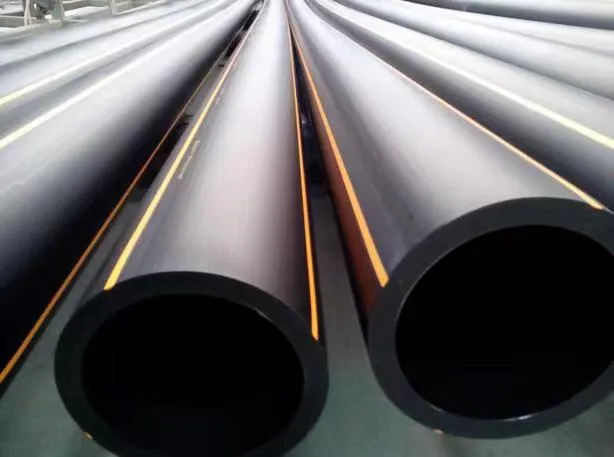
HDPE (high-density polyethylene) is a non-polar thermoplastic resin with high crystallinity. It offers excellent corrosion resistance, wear resistance, insulation properties, and a long service life—making it an ideal material for pipe applications.
Characteristics:
Strong corrosion resistance: HDPE pipes resist corrosion from various chemicals, including corrosive liquids or gases such as acids and alkalis, and are suitable for transporting a wide range of media.
High strength: HDPE pipes provide high strength and toughness. They can withstand significant external pressure and impact loads, while maintaining good performance under harsh working conditions.
Smooth inner wall: The inner surface of HDPE pipes is relatively smooth with low friction resistance. This helps reduce energy consumption and pressure loss during fluid transportation.
Superiority:
Convenient connection: HDPE pipes use hot-melt joining technology. The joints are solid and reliable with no leakage risk.
Lightweight: HDPE pipes are lightweight and easy to handle and install, helping reduce total project cost.
Good aging resistance: HDPE pipes can be used outdoors for extended periods and are not easily affected by ultraviolet radiation, oxidation, or thermal decomposition. This results in high reliability and durability.
Parameter Introduction
|
Production model |
Pipe diameter |
Host model |
Production capacity (kg/h) |
Main motor power (kW) |
|
DCS63 |
16-63 |
60/38 |
200-400 |
90 |
|
DCS110 |
20-110 |
60/40 |
300-500 |
110 |
|
DCS160 |
40-160 |
60/40 |
400-550 |
110 |
|
DCS250 |
50-250 |
75/38 |
500-650 |
160 |
|
DCS315 |
75-315 |
75*38 |
500-650 |
160 |
|
DCS450 |
90-450 |
75/40 |
600-700 |
160 |
|
DCS630 |
160-630 |
90/38 |
850-1000 |
250 |
|
DCS800 |
315-800 |
90/38 |
900-1300 |
250 |
|
DCS1000 |
400-1000 |
120/38 |
1000-1400 |
355 |
|
DCS1200 |
500-1200 |
120/38 |
1000-1400 |
355 |
|
DCS1600 |
800-1600 |
90/38 di- |
1500-2000 |
250+250 |
|
DCS2000 |
1200-2000 |
90/38di- |
1500-2000 |
280+280 |
|
|
|
|
|
|
 English
 Arabic
 Dutch
 French
 German
 Italian
 Japanese
 Korean
 Russian
 Spanish